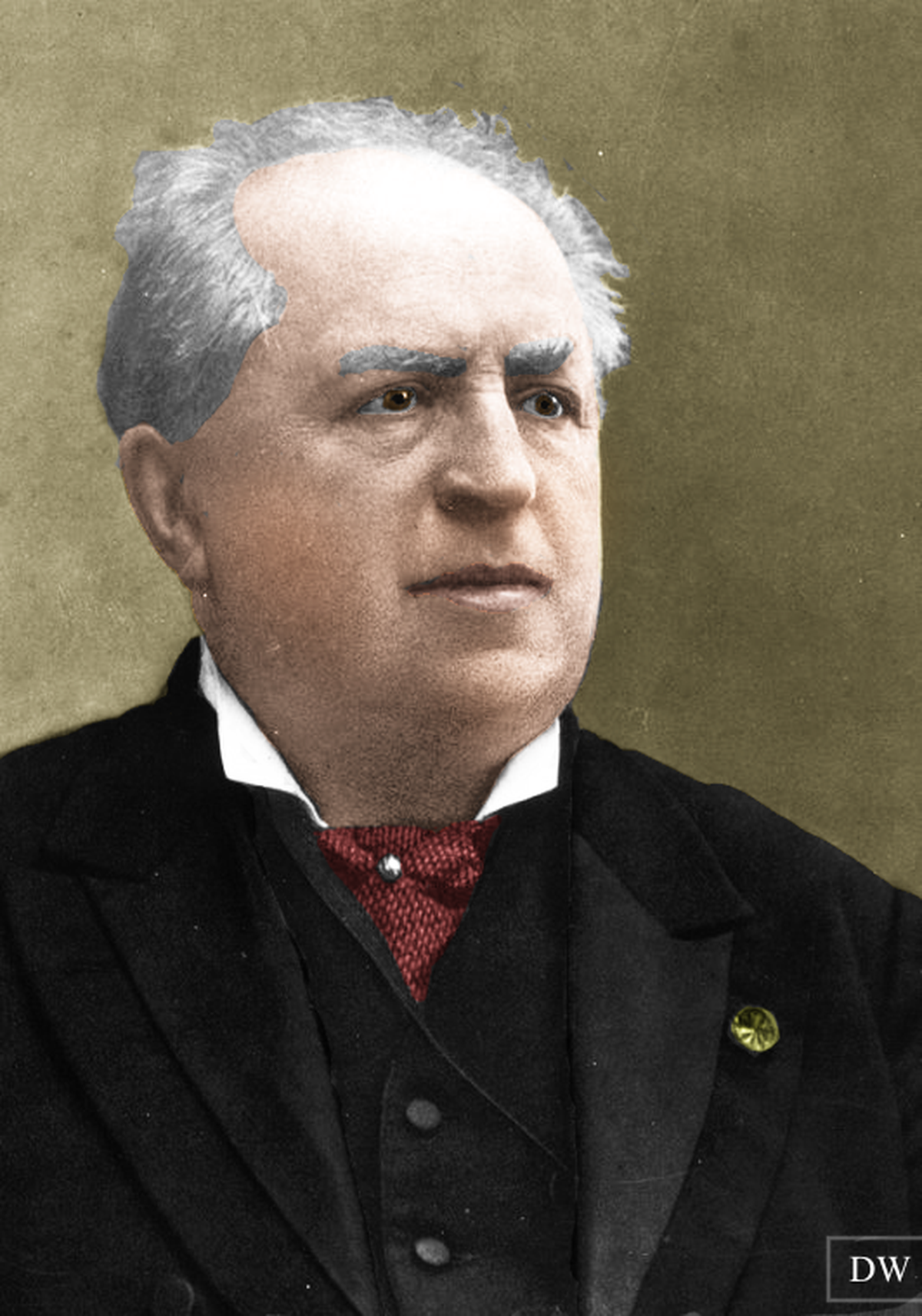
Abraham Kuyper
Abraham Kuyper (1837–1920) was a Dutch Reformed theologian, politician, and journalist, best known for his influential contributions to Christian thought, particularly in the fields of theology, philosophy, and political theory. Born in the Netherlands, Kuyper rose to prominence as a leading intellectual figure and a key advocate for the Christian Reformed tradition. His work has had a lasting impact on both the church and broader society, especially in the areas of theology, education, and public life.
Kuyper was a prolific writer and thinker, with his theological and philosophical ideas forming the foundation for what became known as the Neo-Calvinist movement. He is particularly known for his doctrine of "sphere sovereignty", which asserts that different areas of life (such as the church, state, family, and education) have their own distinct authority under God. Kuyper argued that these spheres should not be subject to domination by one another but should operate according to their own principles while recognizing God's sovereignty over all aspects of life.
In addition to his theological contributions, Kuyper was a dynamic political figure. He served as the Prime Minister of the Netherlands from 1901 to 1905, where he championed policies that supported religious freedom, the rights of religious minorities, and the establishment of a Christian-based public education system. Kuyper's political vision emphasized the importance of the church’s role in shaping culture and society, advocating for a Christian worldview in both private and public life.
Kuyper’s ideas on common grace, the integration of faith and work, and his vision of a Christian society continue to influence contemporary Christian thought, particularly within Reformed and evangelical circles. He was a man deeply committed to integrating his faith into all areas of life, leaving behind a powerful legacy that shaped not only theological discourse but also Christian engagement in politics and culture.
Abraham Kuyper’s legacy as a theologian, politician, and public intellectual endures, and his work continues to inspire believers who seek to understand the relationship between faith, culture, and society.


