illustration
A Roaring Lion in Context
When you imagine a lion, what comes to your mind? For me, I envision a lion’s strong, giant, catlike torso that is covered with a tan coat and moving with a cocky strut. I see his unflinching facial expression, made by a stoic stare and down-turned mouth, all surrounded by a wispy, reddish-brown mane. I wince at the thought of his jaw-stretching yawn that exposes all four of his three-inch canine teeth. I can almost hear his ground-shaking roar.
Thoughts of encountering such a beast in the wild are enough to induce paralyzing fear into most of us. But those familiar with the lion’s ways, like his peers in the animal kingdom, know that behind that ferocious exterior is good reason not to be afraid. A lion has a relatively small heart and lungs in relation to the rest of its body. What this means is that it is an incredibly inefficient runner. In fact, the lion is considered one of the slowest runners in the animal kingdom. While it can reach up to fifty miles per hour, it can only do so in short bursts. A lion simply does not have much stamina.
Being a sprinter rather than a marathon runner affects how the lion hunts. When it happens upon one of its favorite meals, such as a wildebeest, zebra or antelope, it cannot launch after it in the moment. Any of those animals would likely outrun it in the long run. So it stalks.
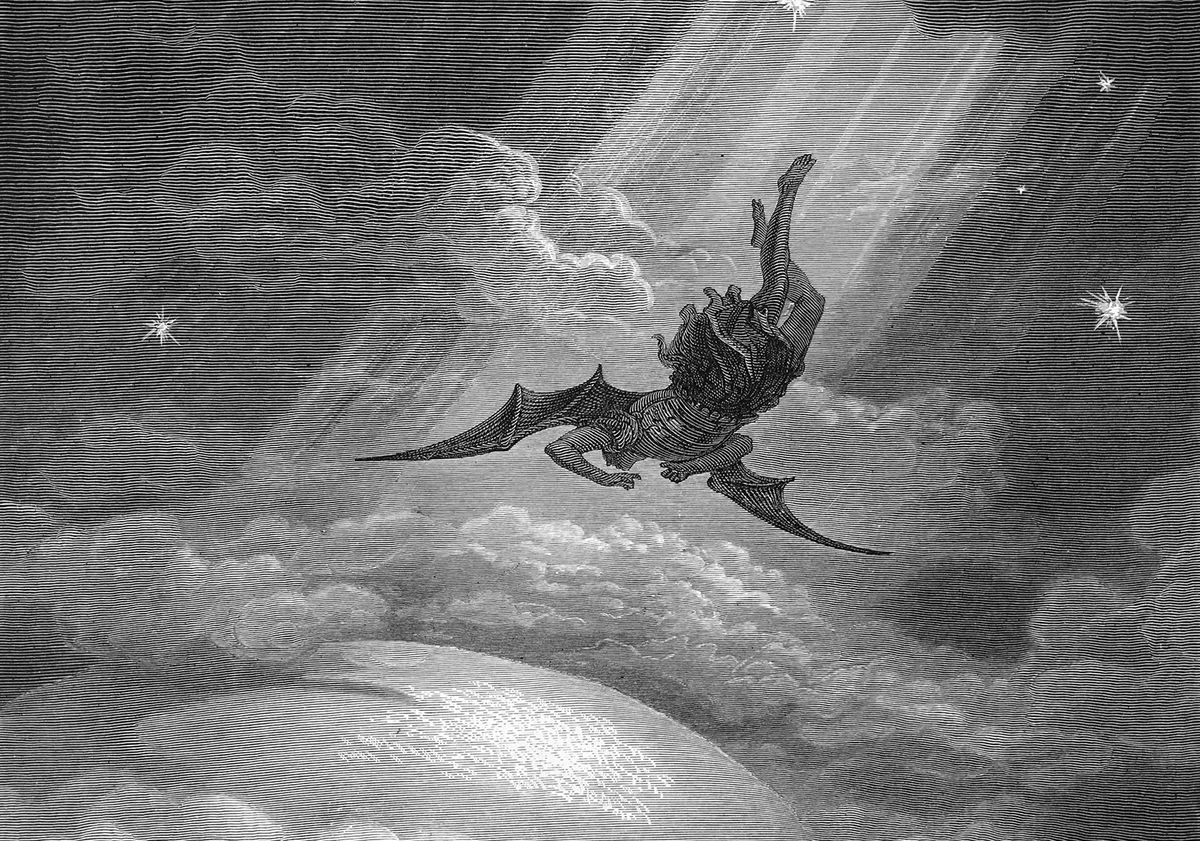
Writing to battle-weary Christians, the apostle Peter warned, “Stay alert! Watch out for your great enemy, the devil. He prowls around like a roaring lion, looking for someone to devour” (1 Peter 5:8). As with all illustrations in the Bible, Peter’s likening of the devil to a lion is not coincidental…Peter penned this at a time when wild lions still roamed parts of the Middle East.
I believe this is why Peter compares the enemy to a roaring lion. Wildlife experts contend that most of a lion’s roars are mock roars that are meant only to intimidate his victim or assert his power.