illustration
Seeking Integration Between Faith and Politics
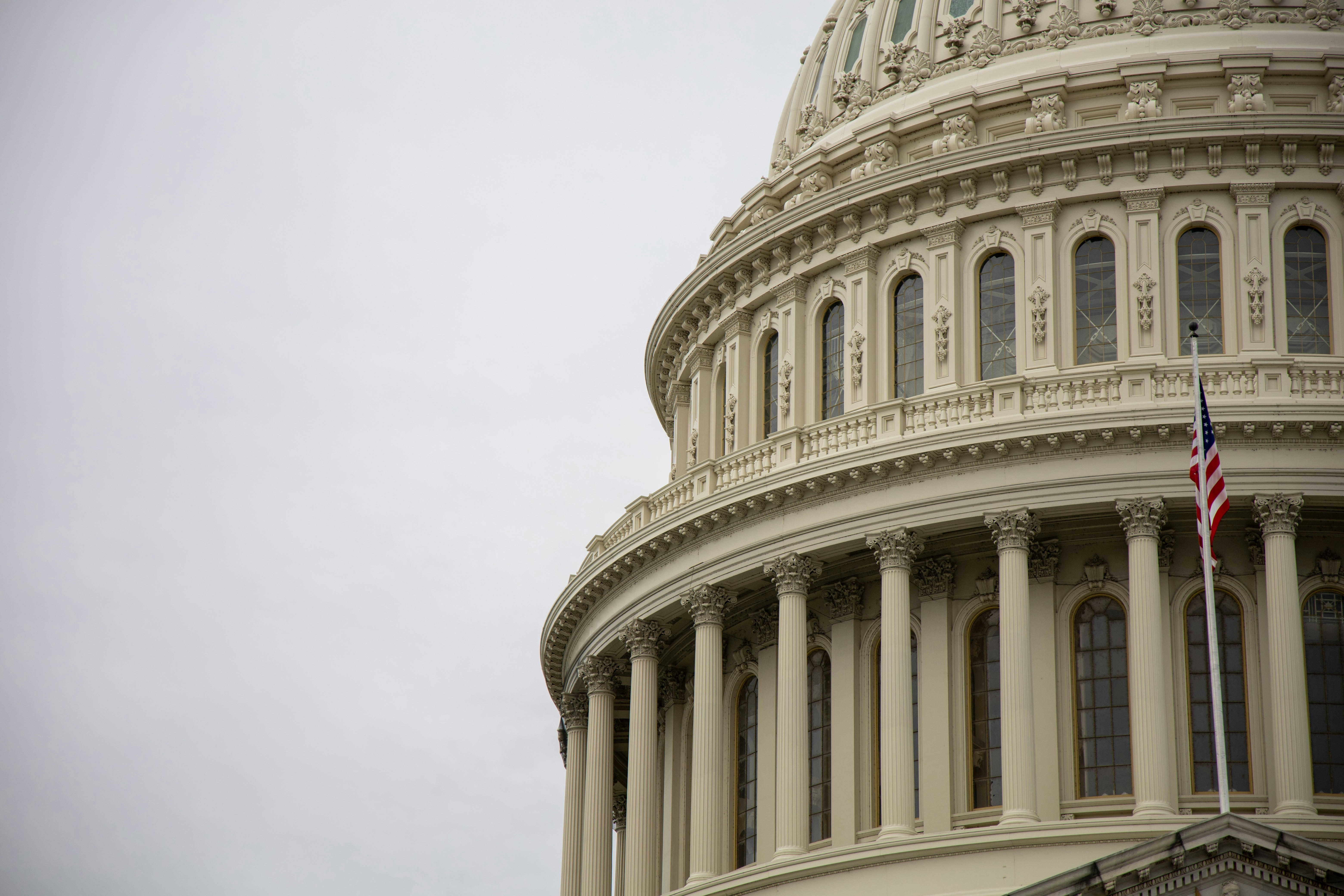
I grew up near Washington D.C. surrounded by politics…I helped with the campaign of a friend’s father as he ran for state office, watched our friendly county supervisor become a US congressman, and learned new insights in government class. When I became a Christian and began to encounter questions like, “What does God want you to do with your life?” I thought politics might be the answer. So the summer after my first year in college, I headed into the city with thousands of my peers to explore the world “inside the Beltway.”
That summer I began to realize that my Christian convictions and my political convictions were not particularly integrated. So I started asking questions about how my life in Christ informed how I think about our common life together—in politics and in the church
…As I began this exploration of how my faith connected to politics, I was trying to make sense of what I experienced that summer on Capitol Hill. As I attended intern events, I noticed a tone quite different from what I had encountered in other settings: anger, anxiety, fear, a sense of embattlement in the face of active opposition, a drive to mobilize ones side. Baffled and concerned, I returned to my studies at the University of Virginia where I discovered professor of sociology and religion James Davison Hunter. Through my interactions with Hunter and his 1992 book Culture Wars, I found ways to make sense of my summer experiences and to further explore my questions related to faith and politics.
Hunter helped me see that underneath the political conflicts of the late 1980s and early 1990s lay differing systems of meaning and moral authority. On the surface were opposing political convictions about everything from what it meant to be a family to what constituted art; underneath those political disputes were competing and irreconcilable notions of the nature of reality, truth, and what it means to be a human being.
Political actors did not necessarily recognize the existence of these deeper, animating layers, yet these dynamics were behind the conflict between those who wanted to “conserve” morals, truths, and ways of living from the past (conservartives) and those who wanted morals, truths, and ways of living to “progress” as times and knowledge changed (progressives). These two groups often acted as if they were at war over the future of America.