illustration
Pilgrimage and Progression
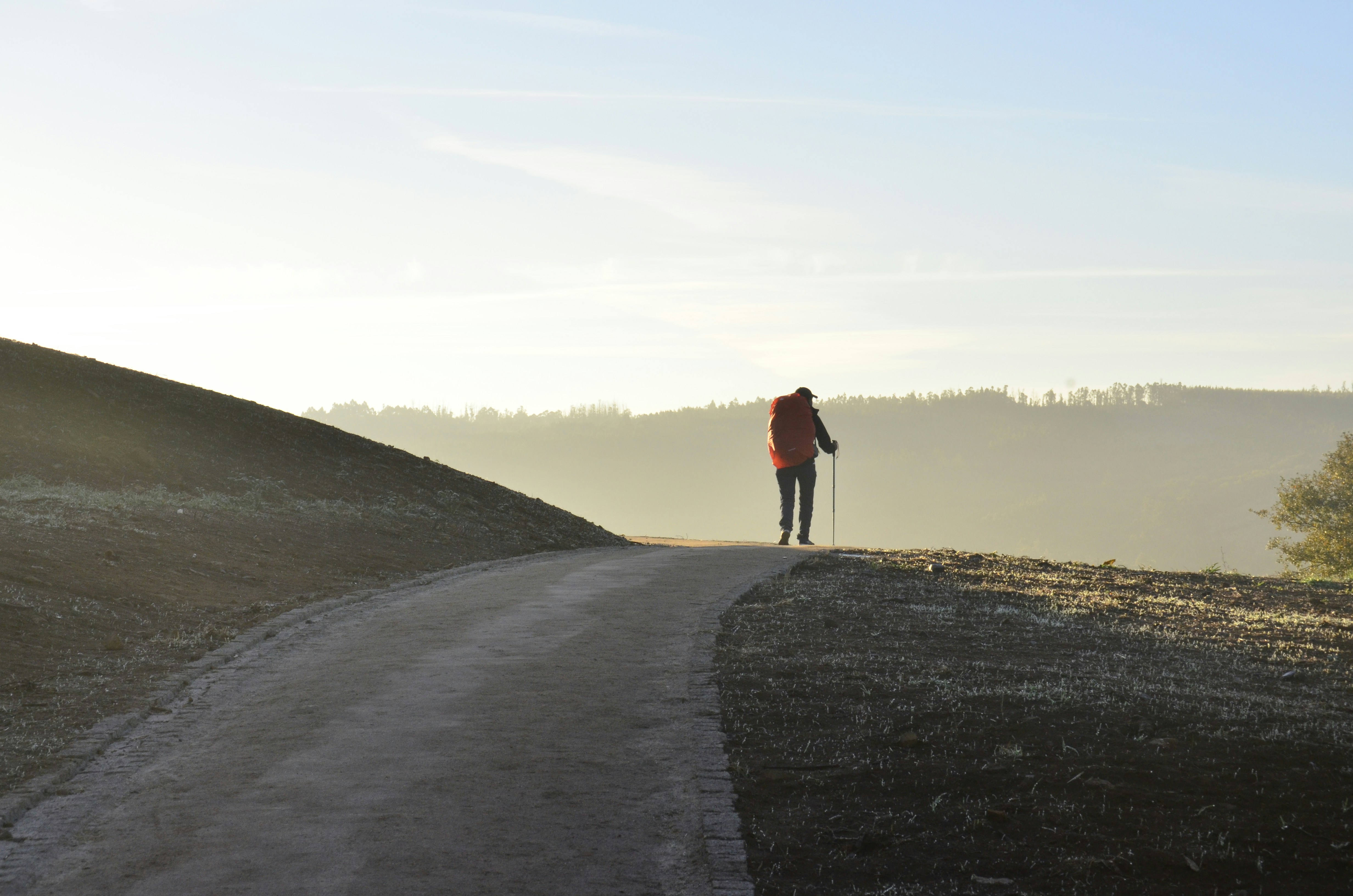
Pilgrimage is centered around one thing—progression. God does not call us to be static saints, even if we cannot move physically. We are constantly on the move spiritually, evolving in our understanding of God, chasing him in our prayers, crawling and climbing over obstacles and challenges. No specific location is holier than another, though different places may provide particular opportunities to encounter God in fresh ways. We agree with Oswald Chambers that “the reality of God’s presence is not dependent on any place, but only dependent upon the determination to set the Lord always before us.” Because the presence of God extends every where, even unto the very ends of the earth, pilgrimage can be practiced by anyone, anywhere, anytime.
First steps are always the hardest. Just look at a baby. Her first steps involve shaky legs and lots of falling down. But gradually, step by awkward step, her muscles strengthen and her confidence builds, and then walking becomes as natural as breathing. The discipline of pilgrimage is like this. We begin on our knees, inwardly confessing our spiritual condition before God. We like sheep have strayed from the Shepherd, crawling away from our Creator as fast as we can.
But the Shepherd gets on his hands and knees and crawls after us, not satisfied until we are safe. Eventually, we want spiritual steak instead of spiritual milk, and crawling no longer gets us where we want to go. We learn the arts of jogging, hopping and running, and pilgrimage becomes a holistic discipline, motivating our heels as well as our heads and hearts. It shapes us into three-dimensional Christians—Christians who inwardly recognize our sin, upwardly commune with Christ and outwardly follow in his footsteps. Pilgrimage is a discipline for the soul and the sole.