illustration
Lord of Lords
Though lords still exist today in some parts of the world, the term is used mostly as an honorary badge, so it’s easy to forget what the term even means. Throughout history, lords were rulers who had authority, control, or power over others. In feudal societies lords passed their title from father to son, and their subjects were expected to give immediate and full obedience to whatever their lord ordered.
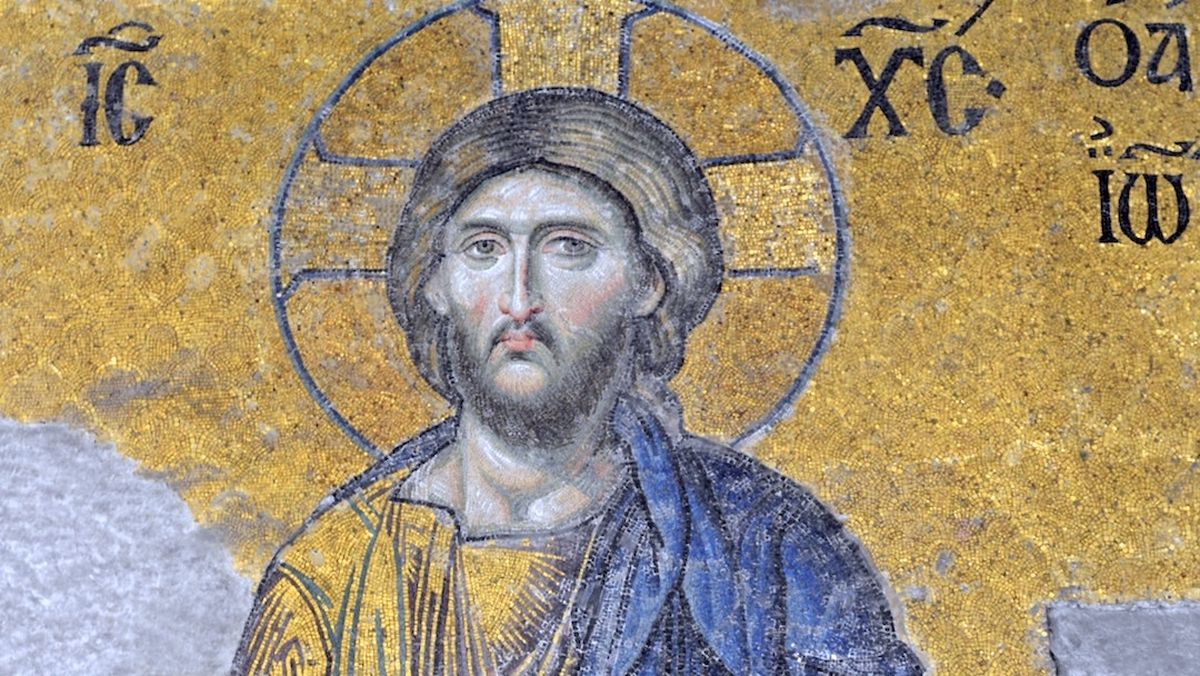
But Jesus is not just a lord. He is the Lord. He is the Lord of lords, the Lord of righteousness, and the Lord of glory. As such, He is more than just one of a few who rule; He is the Ruler of those who rule.
...Many people who came to Jesus addressed Him as Lord, but did not place themselves under His rule. To call Jesus “Lord” but to allow Him no influence over our daily decisions is to make a masquerade of our spiritual lives. He is not our Lord if He does not have supreme authority to direct our actions, from the big-picture decisions of life to the minute daily details. We cannot bring only parts of our lives into submission to our Lord.
...When we submit to His lordship in our lives, we can rest assured that we are in good hands. Unlike earthly lords who are motivated by greed and pride, our Lord is motivated by goodness and righteousness. Our best interests are intimately woven into His, so when we act on what He tells us to do, we inevitably do what will bring us into a more abundant life of joy.
Asheritah Ciuciu, Unwrapping the Names of Jesus, 2017, pp. 58-59, Moody Publishers.