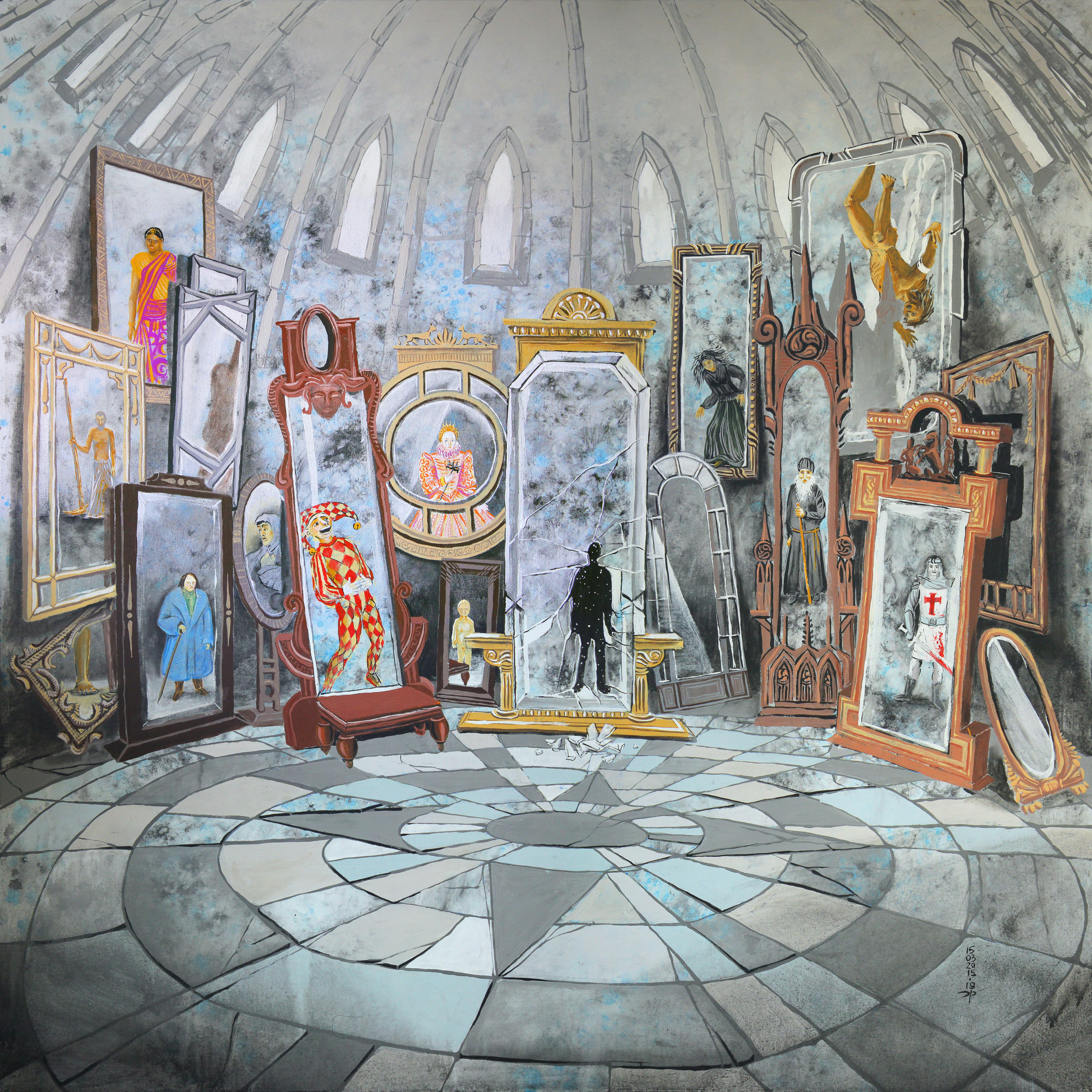
illustration
The North and South of Temperament
Even though Carl Jung first introduced the terms introvert and extravert back in 1921 (in his now-classic volume Psychological Types), the concepts—especially introversion—crashed into the public’s consciousness in 2012 with the publication of Susan Cain’s Quiet, which greatly increased awareness of “the power of introverts in a world that can’t stop talking.”
Cain succinctly defines introverts as “people who prefer quieter, more minimally stimulating environments,” compared to extroverts, who seek out—and even thrive on—noise and stimulation.
Introverts are fundamentally attuned to what happens within, while extroverts focus externally on the world around them. Both types naturally want to spend more time in the “real world” but disagree on which that is—the external world of experience or the inner world of thought. Researchers generally agree that introverts and extroverts are born, not made.
While one’s tendency may shift over time (people tend to become more introverted as they get older), they don’t choose to be one type or the other. Studies estimate that one-third to one-half of us fall on the introverted end of the spectrum. Men are ever so slightly more likely to be introverted than women.
…As far as personality distinctions go, introversion versus extroversion is an important one. Scientist J. D. Higley calls introversion and extroversion (or, as he phrases it, “inhibition and boldness”) “the north and south of temperament.” These traits affect the very core of who we are.
Anne Bogel, Reading People: How Seeing the World through the Lens of Personality Changes Everything, Baker Books, 2017.